
The Best Fado in Lisbon
The best venues to enjoy fado in Lisbon
6 Places to Listen to Fado in Lisbon (2026)
Contents [hide]
In addition to its many attractions, Lisbon is famous for its rich musical tradition. From small taverns to elegant fado houses, the city offers a wide variety of venues where you can enjoy it.
In this article, we'll tell you everything about its history, its greatest performers, and our 6 favorite places to hear fado in Lisbon.
1. Lisboa em Fado
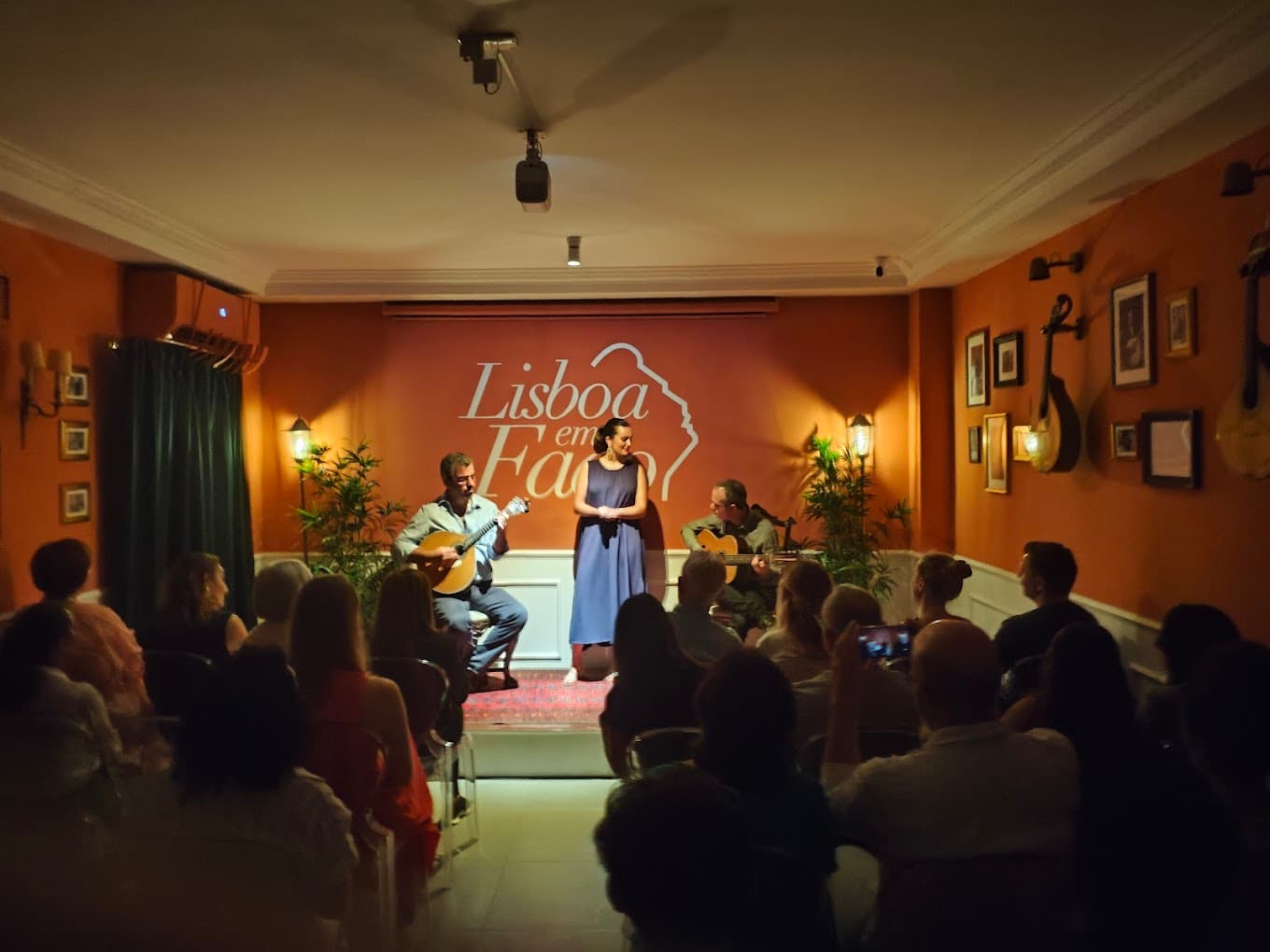
Lisboa em Fado is a show that offers the opportunity to see acclaimed and celebrated fado performers live.
It includes an audiovisual pass that lets you discover the history and evolution of fado up to the present day, along with a glass of Port wine.
It is an intimate experience in the heart of Baixa Chiado where you can appreciate the sound of the guitars and voices without microphones.
Every day at 6:00 PM, 7:30 PM, and select sessions at 9:00 PM.
Where: Rua do Crucifixo 84, 1100-184, Lisbon.
2. Clube de Fado
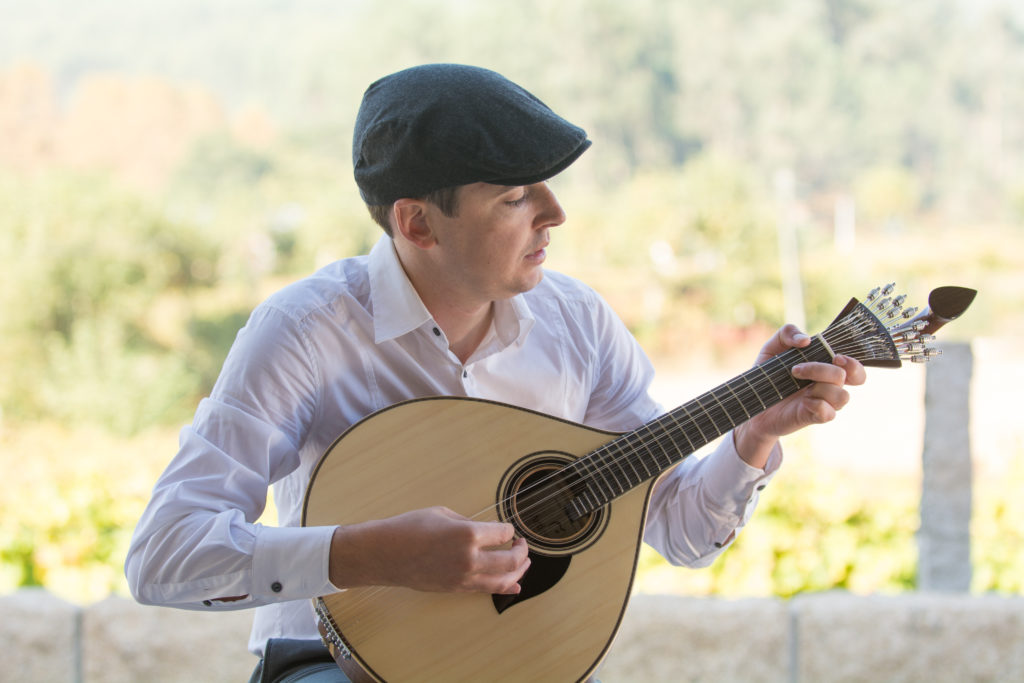
Located right next to the Lisbon Cathedral, in a historic building in the Alfama neighborhood, this venue has earned a reputation as one of the best fado restaurants in Lisbon. In fact, fadistas such as Cuca Roseta, Rodrigo Costa Félix, and Maria Ana Bobone have all performed here.
At this iconic restaurant, you'll dine surrounded by stone columns, portraits of artists, and photographs of VIP guests shaking hands with the owner. While it is pricier than the average restaurant in Lisbon, the service and food are absolutely worth it.
Coming here, it's impossible not to fall in love with the neighborhood's character.
Where: R. de São João da Praça 94, 1100-521.
3. Tasca do Jaime
Fado shows in Lisbon don't have to be a nighttime affair. At Tasca do Jaime, it's an afternoon thing. Every weekend, after lunch, local singers and enthusiasts gather here to show off their skills or simply listen to authentic fado.
This is the place we recommend if you want to hear fado in Lisbon away from the tourist circuit. Here, you can also savor traditional dishes such as bacalhau, caldo verde, or pastéis de nata, while immersing yourself in the culture and history of Lisbon.
Where: Rua da Graça 91, 1170-171.
4. Tasca do Chico
Tourists, Portuguese locals, young and old alike come to Tasca do Chico for a fado dinner in Lisbon. The shows are intense and deeply moving, featuring both amateur singers and renowned artists. You never know who's going to sing — it's a constant surprise.
This restaurant, packed with paintings, old advertisements, and photographs, is almost always full. Alentejo cheeses, regional cured meats, and wine will keep you company throughout the evening. If you don't have a reservation, make sure to arrive early, as it fills up quickly.
Where: R. do Diário de Notícias 39, 1200-141.
5. Parreirinha de Alfama
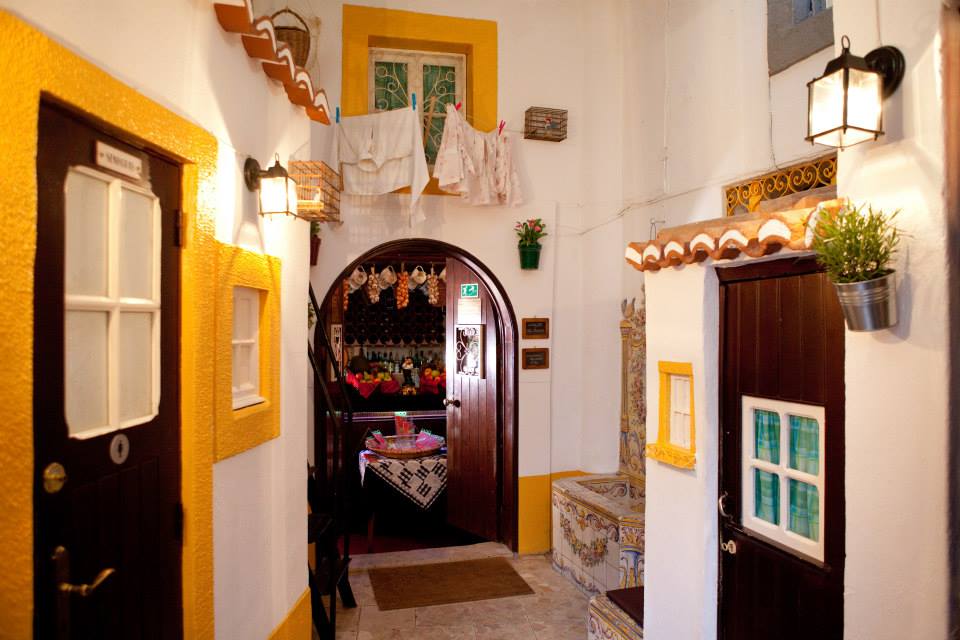
With over 80 years in business, Parreirinha de Alfama was founded by the legendary fado singer Argentina Santos, and is a true institution that has welcomed singers such as Amália Rodrigues and Alfredo Marceneiro. It has captivated locals and visitors alike for decades.
Regular artists line up and perform every night. Argentina herself, born and raised between Mouraria and Alfama, also performs. It is a place known for its intimate, warm atmosphere and delicious food, making it a great choice if it's your first time in Lisbon.
Address: Beco do Espírito Santo 1, 1100-222.
6. Fado in Chiado
For more than a decade, Fado in Chiado has been a place to watch traditional fado in Lisbon, every day and completely live. The show is always accompanied by a guitar and a viola, as well as two singers — one female voice and one male.
The experience lasts just under an hour, enough time to take in the melancholic vibrations that are characteristic of fado. We recommend booking your ticket in advance, and although drinks are not included, don't miss the chance to order a classic Porto wine.
Where: R. da Misericórdia 14, 1200-443.
What sets Portuguese fado apart?
Below, we highlight, in broad strokes, 4 things that characterize fado in Lisbon:
- Intense and emotional lyrics: Fado lyrics typically address themes such as lost love, the well-known saudade, loneliness, and sorrow. They are poetic and laden with feeling, conveying a sense of melancholy and longing.
- Specific instrumentation: Traditional fado is accompanied by instruments such as the Portuguese guitar, a 12-string guitar with a distinctive sound, and the viola, a classical Portuguese guitar.
- Unique vocal expression: Fado singers have a particular singing style characterized by its emotiveness, through which they convey the emotions of the lyrics with great intensity.
- Intimate and close atmosphere: Traditionally, fado has been performed in small venues called "casas de fado" where the audience is very close to the singer. This creates an intimate, personal atmosphere that contributes to the unique fado experience.
How and where did fado originate in Lisbon?
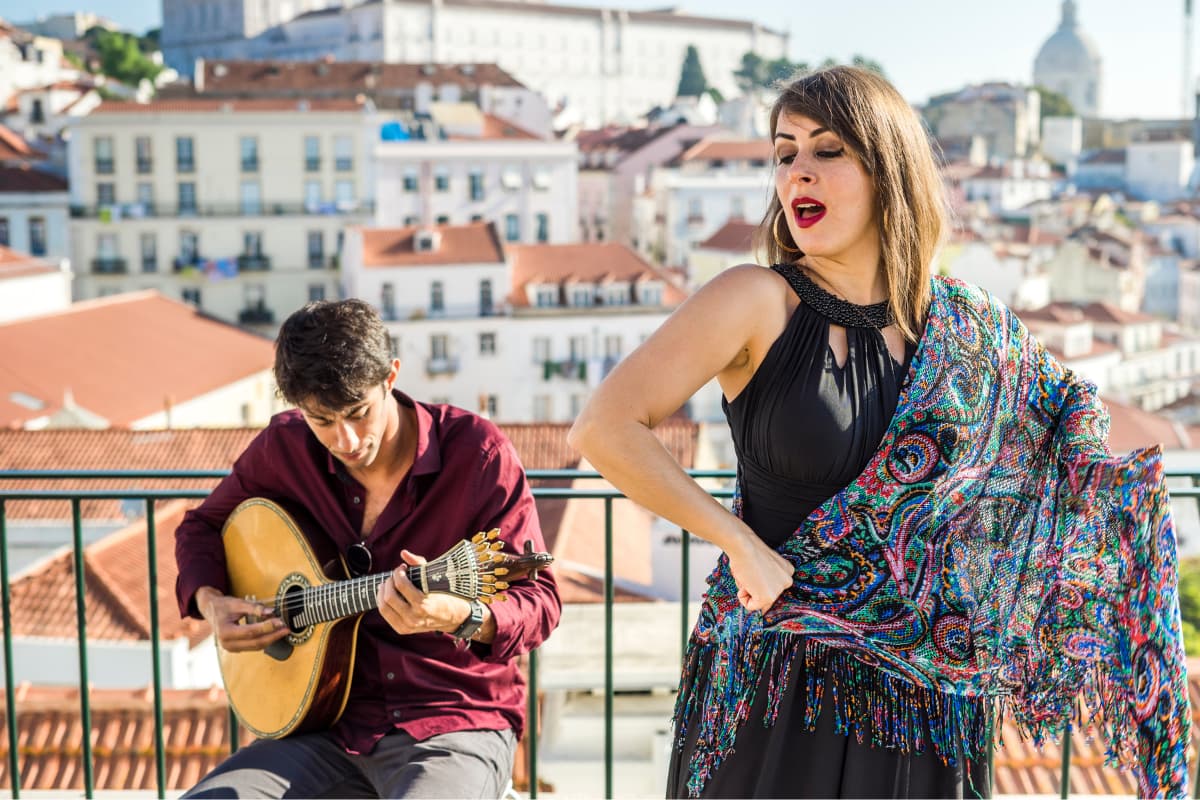
The roots of fado date back to the 19th century, in the heart of Lisbon, specifically in the district of Alfama. It was common to see sailors, prostitutes, and dock workers there, singing about nostalgia, about saudade (a feeling of longing) and the struggles of daily life..
This, in a way, supports one of the most widely accepted theories about the origin of the word "fado", which comes from the Latin "fatum" meaning fate. Another theory attributes it an Arabic origin.
Thus, this musical genre emerged as a way to express the deepest and most melancholic emotions of life. The cafés and taverns of Alfama and other working-class neighborhoods of the city, such as Mouraria and Bairro Alto, were key places for its development.
While it is true that another type of fado exists — heard in Coimbra and associated with the educated academic upper classes — the Lisbon style is the most predominant and the most widely heard throughout the country.
Portuguese fado was added to UNESCO's Intangible Cultural Heritage list in 2011, and remains an integral part of Lisbon's culture. Enjoying it at one of the many casas de fado and traditional venues in the capital is a
The greatest fado artists
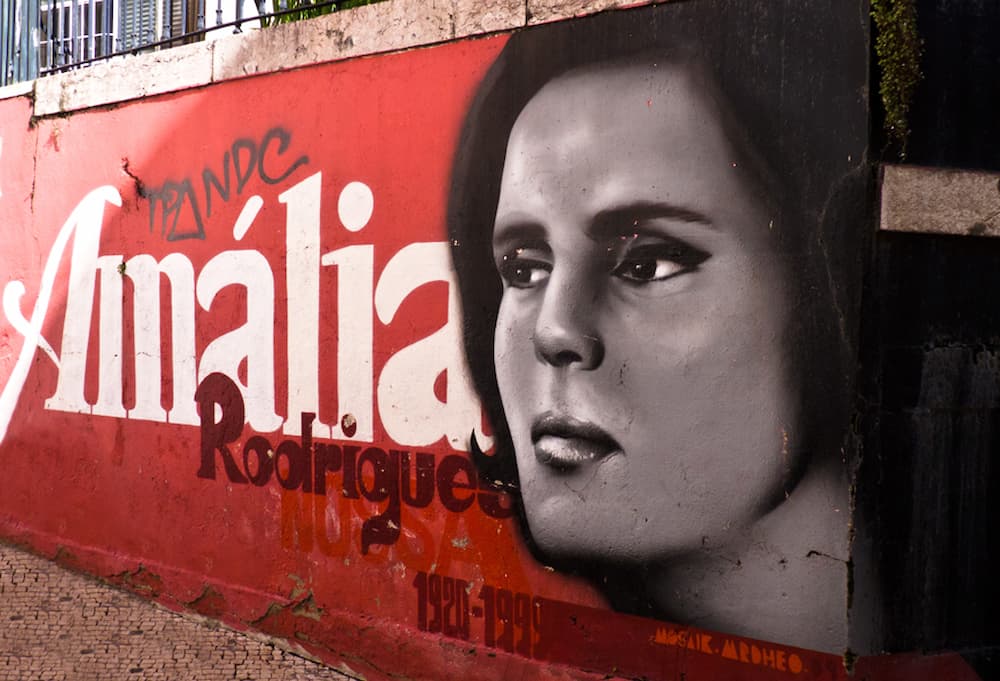
Throughout the 20th century, fado grew in popularity thanks to iconic figures such as Amália Rodrigues, who knew how to bring this genre to an international audience. She is regarded as the "Queen of Fado" and was distinguished by her unique voice and interpretive style.
Carlos do Carmo also shone as one of the great male fado performers. He recorded more than 40 albums, and his dedication to fado over more than five decades earned him numerous national and international awards and accolades.
We must also mention two leading figures of the new generation of fado singers. They are Mariza, celebrated for her powerful voice and contemporary style, and Ana Moura, known for her emotional delivery and distinctive approach.
If you are traveling around Portugal, we also recommend the best places to listen to fado in Porto.
Must-See Spots in Lisbon
Keep discovering everything you need to see in Lisbon
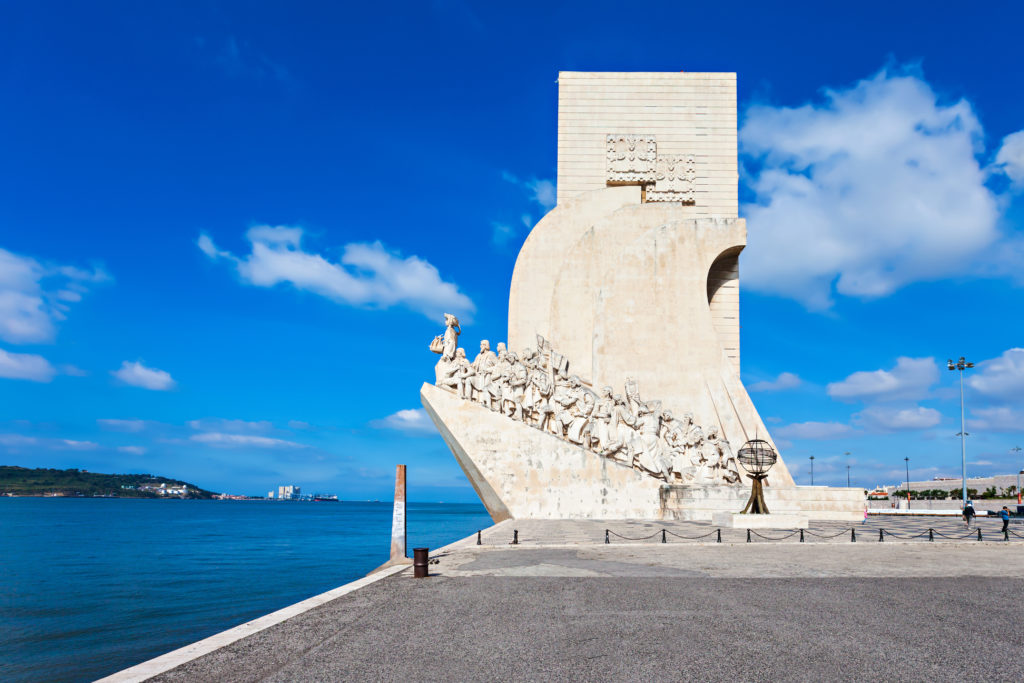
Monument to the Discoveries
Its 50-meter-high facade features the great figures of the Age of Discovery, gazing out toward the river just as they did before setting sail centuries ago. It is usually cheaper with this card.
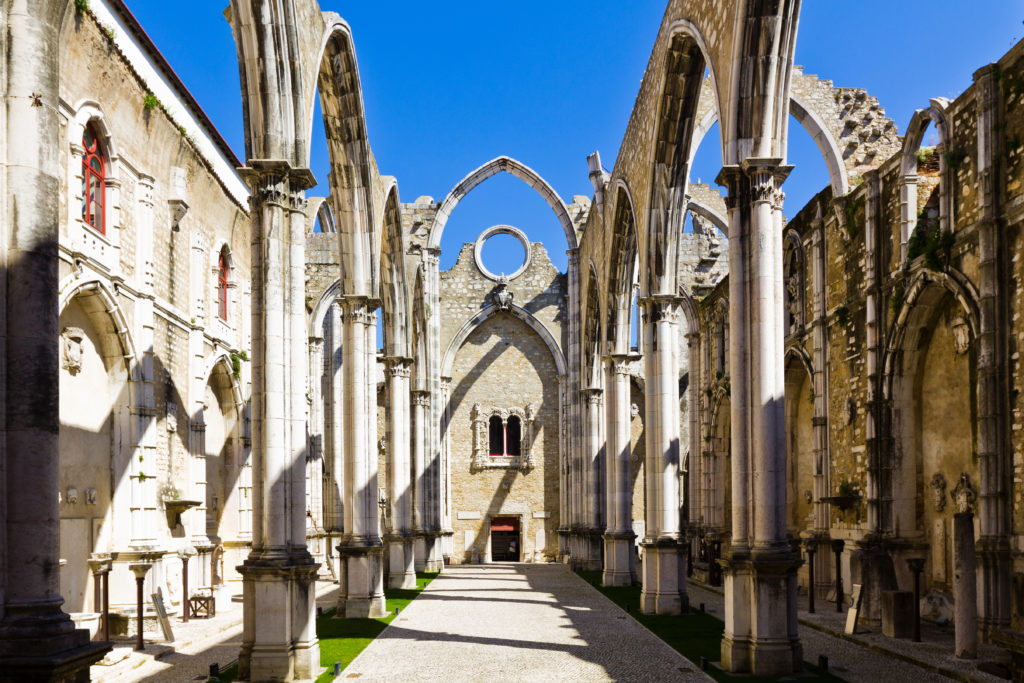
Convento do Carmo
The Carmo Archaeological Museum is housed in the ruins of the old Convento do Carmo, devastated by the Lisbon earthquake. It also hosts a collection of archaeological remains and mummies. 20% discount with the Lisbon Card
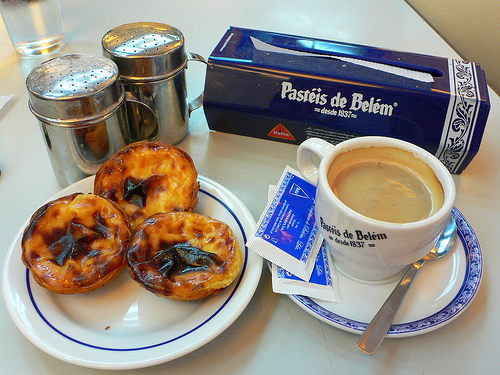
Pastéis de Belém
Yes, we know this is not a monument. It did not end up on the list by mistake. Pastéis de nata from Belém are a national treasure. Make a pilgrimage to the neighborhood of Belém to try them fresh out of the oven, warm and perfectly crisp.
